
The Audiobook boom and the opportunity for radio presenters
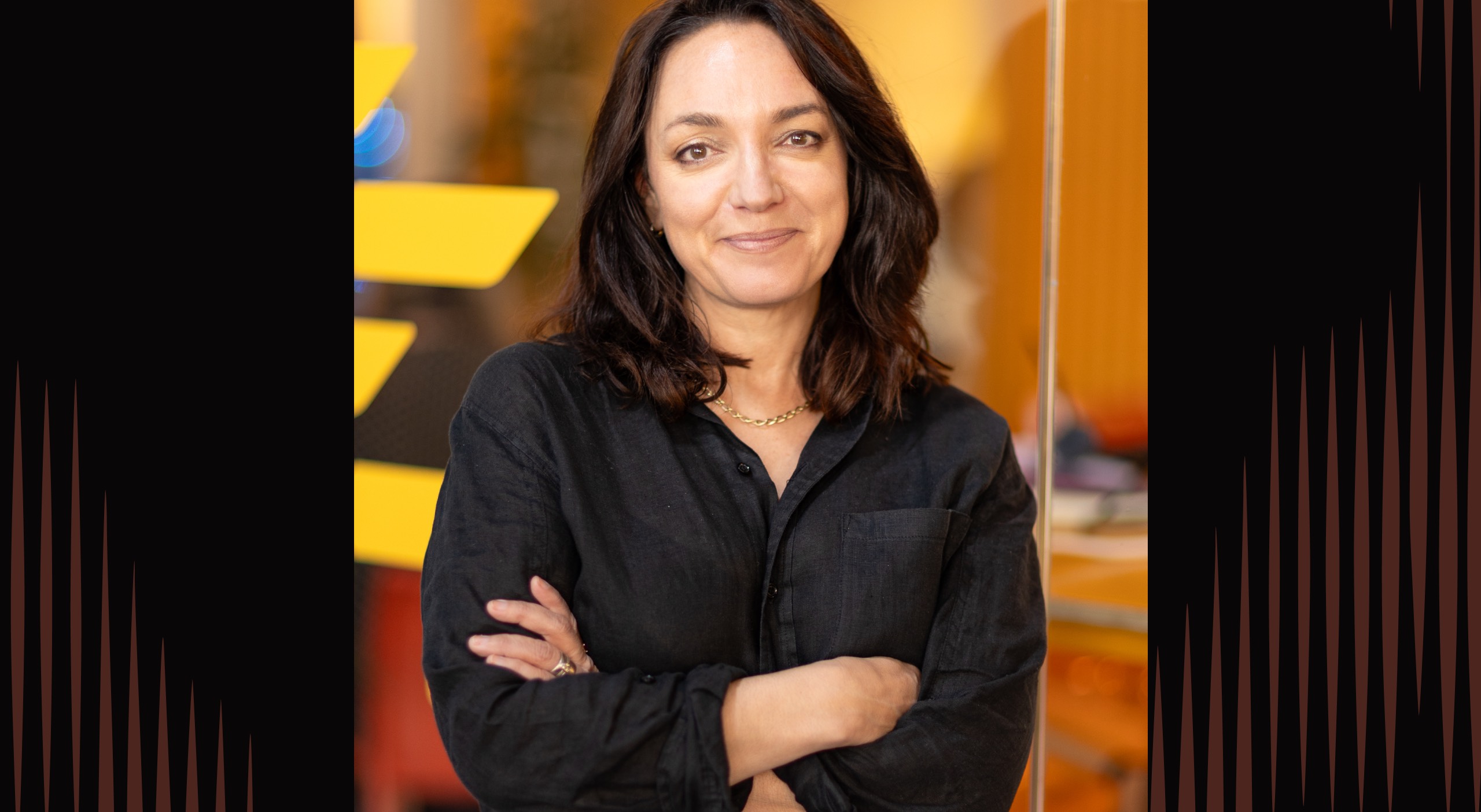
Melissa Thom, Founder & Principal Coach at BRAVA, writes about the growth in audio for RadioToday.
The global audiobook market has expanded at pace over the past few years: valued at around $6.8 billion in 2023 and projected to reach over $31 billion by 2030. Title production continues to increase, and listenership is growing across subscription platforms, publishers’ own channels and independent releases. Audio is no longer a secondary format in publishing; for many titles, it’s central to the commercial strategy.
For radio presenters observing that growth, audiobooks can look like a logical next step. You already work behind a mic. You understand pace, tone and audience connection and you know how to communicate without visuals. But while the opportunity is real, the move across is not quite as simple as it sounds.
At BRAVA, we specialise in training and supporting broadcasters and radio voices to extend their skillset and move into voiceover through extensive training in commercial, characters and narration – including audiobooks. We understand radio because we come from it. I began my career as a commercial radio breakfast host before building a successful voiceover portfolio and training company.
The journey from broadcast to voiceover is achievable, but it requires intentional craft development. The audiobook sector is booming, competition is increasing, and standards are rising. For radio professionals, that means retraining, not simply rebranding.
A growing market and higher expectations
The scale of audiobook growth has created genuine demand for highly skilled narrators. Backlists are being converted into audio, new releases are commissioned simultaneously in print, ebook and audio, independent authors are producing their own titles and global platforms are competing aggressively for subscribers. More work exists than ever before.
But the market’s growth doesn’t mean it’s easier to break in. More performers are entering the space, including trained actors and established narrators with extensive credits, and the rise of AI-generated voices is adding a new layer of competitive pressure. As a result, publishers are becoming increasingly selective. They’re not simply looking for good voices; they want narrators who understand genre, can sustain performance across long sessions, deliver technically pristine audio, and operate professionally within tight production schedules; often bringing additional strengths such as languages, dialect work or specialist subject knowledge.
Audiobook narration is a craft
One of the most persistent misconceptions is that audiobook narration is simply reading clearly for extended periods. But it’s a precision storytelling discipline. Radio thrives on segments where the energy shifts every few minutes and personality drives engagement. You move from link to interview to bulletin with significant pace and presence.
In contrast, audiobooks demand immersion. A listener may spend ten, fifteen or twenty hours with your voice over the life of a single title and the experience must feel seamless. That requires emotional restraint, tonal consistency across recording days, deep understanding of narrative voice, and subtle performance shifts sustained over entire chapters. Whilst radio is personality-driven, the narrator’s role in audiobooks is to serve the story, not to foreground themselves.
From broadcast energy to intimate storytelling
The ‘Audience of One’ is Broadcast 101. Every radio presenter is trained to speak to a single listener, not a crowd. It’s a core principle of great on-air connection. Audiobook narration builds on that theory but intensifies it. While radio delivery may still carry projection, pace and a degree of performance energy, long-form narration demands sustained intimacy. Presenters moving into audiobooks must dial down projection, soften presentational attack, and shift completely from performing on air to living inside the story; maintaining warmth and authenticity without sounding broadcast.
Long-Form performance mastery
An audiobook typically results in eight to twelve hours of finished audio, with many exceeding fifteen hours, and recording time is substantially longer. Sustaining vocal clarity and emotional continuity across multiple days requires stamina, postural awareness, hydration discipline, consistent mic technique, and the ability to recreate tone and character precisely for pickups.
Character & dialogue without caricature
Narrators must create distinct yet sustainable character voices, maintain those voices consistently, handle dialogue seamlessly, and avoid exaggeration or parody.
Advanced text interpretation
Strong audiobook performers analyse text carefully, identifying narrative perspective, emotional arcs, tone and pacing shifts, subtext within dialogue, and structural tension across chapters.
Pacing, breath & vocal control
Breath control, dynamic range and sentence shaping become technical tools. Silence and pause length are performance choices, not afterthoughts. The narrator must have a deep understanding of how breath powers the voice.
Microphone & studio nuance
Narrators must manage consistent mic positioning, mouth noise awareness, sibilance control, clean room tone, punch-and-roll recording techniques, and editing awareness.
Workflow & professional expectations
Publishers assess genre suitability, reliability, studio efficiency, preparation and accuracy. The ability to take direction and make immediate adjustments on the fly is key, as well as maintaining continuity across sessions.
Demo & market positioning
Publishers want 3–5 minutes of sustained narration, genre-specific material, controlled character differentiation, and clear storytelling across a continuous passage.
Recognising the opportunity and the learning curve
Moving into voiceover, voice acting, and audiobook narration is not a sideways move. It’s a skill extension requiring dedicated craft development, technical discipline, advanced text interpretation, long-form performance stamina, and strategic market awareness.
Learn what publishers are really listening for
BRAVA offers talent regular opportunities to learn from industry experts, such as the upcoming one-day Audiobook Masterclass: Audiobooks from a Publisher’s Perspective, delivered by industry experts and audiobook publishers, which offers direct insight into casting decisions, performance standards, workflow expectations and how to position yourself competitively in a fast-growing sector.
BRAVA also offers personalised 1-1 audiobook and voiceover training, delivered live online, alongside our intensive in-person audiobooks masterclass, giving broadcasters flexible routes to build their long-form narration skills with expert guidance, discussion and support on where and how they fit into the market.
In a sector that’s thriving but increasingly selective, talent alone isn’t enough. Craft, strategy and adaptability are what turn experienced broadcasters into bookable narrators.
Find out more about BRAVA by emailing info@brava.uk.com or book your place on the Audiobooks Masterclass here.