
RAJAR Q1 2026 – RadioToday observations facts and figures
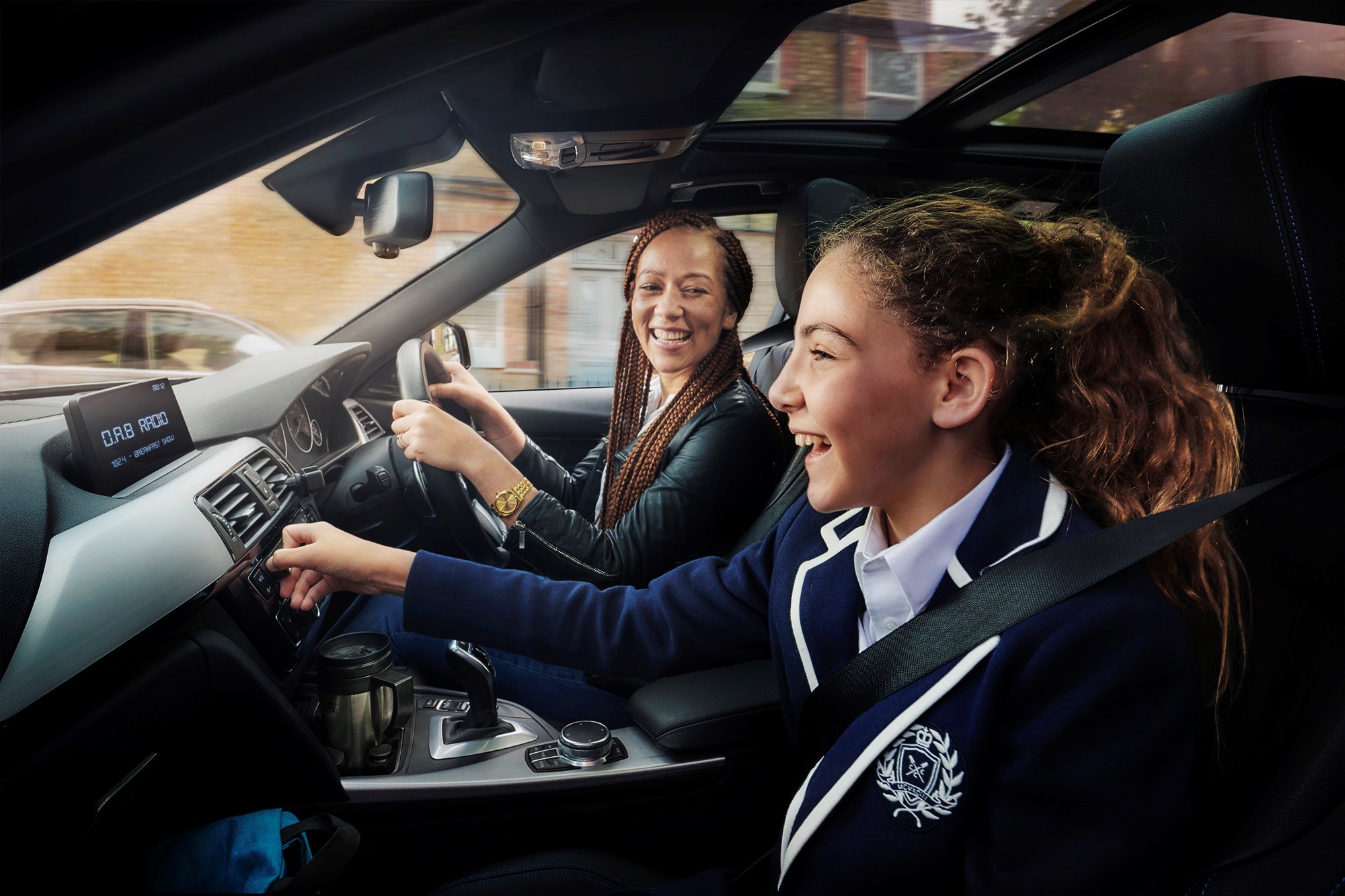
Digital continues to grow in the latest RAJAR results, which also sees Commercial Radio extend its lead over the BBC and smart speakers account for almost 20% of all radio listening.
Across the UK, 50.6m adults, or 87% of the population tune in each week according to RAJAR for Q1, 2026.
Commercial radio is now accounting for 54.3 per cent of all radio listening compared with 43.4 per cent for the BBC – a difference of 7.91 million listeners .
Digital listening growth remains one of the biggest trends in the latest data, with online listening across all radio hitting a record 30.4 per cent share of total listening hours. That puts it comfortably ahead of traditional AM and FM listening, which now stands at 24 per cent.
For commercial radio specifically, online listening now represents almost a third of all listening hours at 32.9 per cent, up from 32.3 per cent a year earlier.
Smart speakers also continue to drive listening growth. Across all radio, listening through smart speakers now accounts for 18.8 per cent of total listening, up year-on-year from 17.6 per cent.
Commercial radio performs even more strongly on smart speakers, where they now deliver 21.8 per cent of listening hours, rising from 21.4 per cent last year and overtaking AM/FM listening, which has dropped to 19.1 per cent.
The figures further underline the continuing shift towards connected and on-demand listening, with broadcasters increasingly focusing on apps, streaming platforms and smart speaker distribution.
Observations
- LBC hits record 3.6 million listeners as speech radio booms during major news quarter
- Heart remaining the UK’s biggest commercial radio brand
- BBC Radio 1 Dance reached 505,000 listeners
- BBC Radio 1 Anthems attracted 433,000
- BBC Radio 3 Unwind launched with 388,000 listeners.
- BBC Radio 2 stays Britain’s most listened-to individual station with 12.6 million audience
- BBC Radio 2 Breakfast not affected by Scott’s exit as this happened at the end of Q1 – his last figures remained 6.4m
- KISS grows 15 per cent after relaunch as Bauer targets younger audiences
- 100FM in London recovering after Hits Radio rebrand – up 29.4% year-on-year
- 105.8FM in London dropping with Greatest Hits Radio – down 39.1% year-on-year
- Times Radio posts fastest quarterly growth among national news stations
- talkSPORT grows audience ahead of FIFA World Cup coverage deal
- Weekly reach also hit a record 1.348 million listeners across the group’s stations.
- GB News celebrates its year-on-year growth putting them ahead of their rivals
National brands, locally
BBC Local, Greatest Hits Radio and Hits Radio all saw mixed results across their local services, while Capital’s local stations were mostly down in the latest RAJAR figures.
Across BBC Local Radio, 19 of the 37 measured stations increased their audience, with one unchanged and 17 down. The strongest performances included BBC Radio Wiltshire, up 31%, BBC Radio Leicester and BBC Three Counties Radio, both up 24%, and BBC Radio Tees, up 22%. BBC Radio Somerset saw the biggest notable fall, down 29%.
Greatest Hits Radio recorded increases at 24 of its 56 local stations, with three unchanged and 29 down. The best results included Greatest Hits Radio Cambridgeshire, up 47%, Greatest Hits Radio Northamptonshire, up 40%, and Greatest Hits Radio Berkshire and North Hampshire, up 37%.
Hits Radio had 18 stations up and 21 down across its 39 measured services. Hits Radio Berkshire and North Hampshire was up 52%, Hits Radio Cambridgeshire rose 41%, Hits Radio Oxfordshire increased 32%, and Hits Radio London was up 29%. Hits Radio Surrey and East Hampshire was down 35%.
Capital had the weakest set of local results among the major brands listed, with just one of its 17 stations up, two unchanged and 14 down.
Heart performed more strongly, with 14 of its 23 local stations up, two unchanged and seven down.
Smooth also recorded a positive local picture, with 12 of its 18 stations up and six down. Smooth Three Counties was up 47%, Smooth Thames Valley rose 31%, and Smooth North West and Wales was up 30%.
Overall, Smooth and Heart had the strongest balance of local station growth, while Capital saw the broadest decline. Greatest Hits Radio and Hits Radio both delivered standout individual increases, but with more stations down than up across each network.
BBC Radio
The BBC says it remains the UK’s biggest radio broadcaster, with the latest RAJAR figures showing 31.4 million people tune into its stations each week.
Overall BBC radio share increased to 43.4 per cent during the first quarter of 2026, while weekly reach stands at 54 per cent of the UK population.
The figures are also the first to include listening data for the BBC’s new DAB+ spin-off stations, launched last autumn. BBC Radio 1 Dance reached 505,000 listeners, BBC Radio 1 Anthems attracted 433,000 and BBC Radio 3 Unwind launched with 388,000 listeners.
BBC Radio 1 reported an overall brand reach of 8 million listeners aged 10 and over, with the main station itself reaching 7.66 million listeners.
Breakfast host Greg James continued as the UK’s biggest breakfast presenter for younger audiences, attracting 4.23 million listeners following his Comic Relief fundraising challenge earlier this year.
BBC Radio 2 remained the UK’s most listened-to individual station with 12.6 million weekly listeners. Vernon Kay also retained the title of the UK’s most listened-to radio programme, drawing 6.6 million listeners each week.
Speech stations performed strongly during a quarter dominated by major news stories and live sport. BBC Radio 4 increased quarter-on-quarter to 9.15 million listeners, while the Today programme grew four per cent to 5.79 million listeners.
BBC Radio 4 Extra also posted year-on-year and quarterly growth, reaching 1.59 million listeners.
BBC Radio 5 Live reached 5.4 million listeners during the quarter, while BBC Radio 5 Sports Extra climbed 56 per cent year-on-year to 907,000 listeners following a busy sporting schedule.
Music stations also posted gains. BBC Radio 3 increased 7.9 per cent quarter-on-quarter to 2.1 million listeners, while BBC Radio 6 Music, which won the Station of the Year award at last week’s Music Week awards, reached 2.6 million listeners, up 11 per cent on the previous quarter while Nick Grimshaw’s weekday Breakfast show attracted 554,000 listeners.
The BBC also reported growth for its local and national radio services, with almost 7.1 million listeners tuning into BBC Local Radio and Nations stations each week, up from 6.8 million previously. BBC World Service increased eight per cent quarter-on-quarter to 1.09 million listeners.
Beyond live radio, the corporation says BBC Sounds recorded 718 million plays between January and March, up five per cent year-on-year.
Head of Radio 2 Helen Thomas said Vernon Kay continues to host the UK’s most listened to radio programme, attracting 6.63 million listeners weekly. She also highlighted growing smart speaker listening, with one in five Radio 2 listeners now tuning in that way.
At BBC Radio 1, Head of Station Aled Haydn Jones said the network had increased its share of younger audiences and remained the UK’s leading youth station. He also praised Greg James for continuing to host the most listened to breakfast show among young listeners.
Global
Global gets 29 million weekly listeners, 279 million listening hours and a 27.7 per cent share of all radio listening this quarter.
The company says its brands continue to dominate commercial radio, with Heart remaining the UK’s biggest commercial radio brand on 12.5 million listeners a week.
Global also claims the top three commercial radio brands with Heart, Capital and Smooth Radio.
Heart Breakfast with Jamie Theakston and Amanda Holden added another 172,000 listeners during the quarter to reach 4.3 million weekly listeners.
Capital continues to outperform BBC Radio 1, according to Global, with 8.8 million listeners each week — around 1.4 million ahead of Radio 1. Capital Breakfast with Jordan North, Chris Stark and Siân Welby now reaches 2.8 million listeners and increased reach, hours and share both year-on-year and quarter-on-quarter.
One of the quarter’s standout performers was LBC, which posted its highest ever audience with 3.6 million weekly listeners across the UK.
Global says major international news events helped drive growth, with LBC adding 148,000 listeners in the quarter. Breakfast host Nick Ferrari attracted more listeners for news and opinion programming, while James O’Brien celebrated his highest ever audience, reaching more than 1.5 million weekly listeners.
Elsewhere in the portfolio, Smooth Radio remains the UK’s third biggest commercial radio brand with more than 7.3 million listeners.
Radio X reaches 2.3 million listeners and increased hours and share year-on-year, while Classic FM continues as the UK’s biggest classical music brand with 4.4 million listeners.
Global also reported growth for Gold Radio, now reaching more than 1.6 million listeners weekly, while digital spin-off Classic FM Calm achieved a record audience of 386,000 listeners.
The Official Big Top 40 now attracts 1.6 million weekly listeners.
Group CEO Simon Pitts said the latest results reflected the continuing strength of Global’s brands, particularly LBC during a period dominated by major news stories, while Chief Content Officer James Rea said radio remains central to millions of people’s daily routines.
Bauer
KISS has bounced back in the latest RAJAR figures, with Bauer highlighting a 15 per cent quarterly increase for the main station following its relaunch and refreshed presenter line-up.
The station now reaches 1.5 million listeners a week, while KISS Breakfast with Tyler West and Chloe Burrows is up 12 per cent quarter-on-quarter after debuting earlier this year.
Across the wider KISS portfolio, KISSTORY climbed 6.1 per cent on the quarter to 1.8 million listeners, helping the overall KISS Network deliver 3.3 million weekly listeners.
The figures come as Bauer rolls out a major rebrand of KISS, alongside a high-profile marketing campaign across London aimed at younger audiences.
Elsewhere, Bauer says its stations continue to attract more than 22.1 million weekly listeners across owned and partner services.
The Hits Radio Portfolio, including Hits Radio and Greatest Hits Radio, now reaches 12.1 million listeners, or 14.1 million including partner stations.
The Greatest Hits Radio Network has 6.8 million listeners, while its decade spin-off stations attract another 1.3 million. Bauer also says Ken Bruce remains home to the UK’s most listened-to commercial radio show.
The Hits Radio Network reaches 6.5 million listeners following its ARIAS nomination for Network of the Year.
Rock brands also posted gains, with the Absolute Radio Network reaching 5.3 million listeners. The main Absolute Radio service increased to 2 million listeners, up 2.8 per cent year-on-year, while Absolute 80s now has 1.4 million listeners. Absolute Radio 00s was up 15 per cent year-on-year.
The Magic Radio Network delivers 3.4 million weekly listeners, with growth reported for both Magic Musicals and Magic Classical.
Among Bauer’s specialist stations, Planet Rock increased 7.8 per cent year-on-year to 1.1 million listeners, while Kerrang! Radio jumped 25 per cent year-on-year to 569,000 listeners.
Bauer says it now operates four of the UK’s top five digital commercial radio stations, including Absolute Radio and KISSTORY.
Simon Myciunka said the latest figures demonstrate audio’s continuing strength with audiences and advertisers, while Gary Stein said the KISS relaunch was designed to create a station that feels “energetic, relevant and genuinely connected” to listeners.
News Broadcasting
News has held onto its position as the UK’s most digital radio broadcaster, with 87 per cent of all listening now coming through digital platforms.
The latest RAJAR figures show the group, which includes talkSPORT, Times Radio, Talk and Virgin Radio UK, reaches 6.3 million listeners a week and delivers 45 million listening hours.
talkSPORT remained the company’s biggest brand with 3.6 million weekly listeners across the network, up 3.3 per cent on the quarter. The main talkSPORT service increased 1.6 per cent quarter-on-quarter to 3.3 million listeners.
talkSPORT2 posted one of the strongest gains in the portfolio, with listening hours up 15 per cent year-on-year to a record 1.6 million hours, while weekly reach climbed 19.3 per cent on the quarter to 549,000 listeners.
The network benefited from a busy football season, including Premier League managerial changes and extensive live coverage of the Cheltenham Festival, FA Cup and Carabao Cup Final. An interview with David Beckham also featured heavily during the quarter.
Times Radio was one of the quarter’s strongest performers, growing 11.4 per cent quarter-on-quarter to 604,000 weekly listeners, while listening hours rose 12 per cent to 5 million. News Broadcasting described it as the fastest-growing national news station during the period.
Meanwhile, Talk reported 6.1 million listening hours, up 41 per cent year-on-year, with weekly reach increasing 15.5 per cent to 560,000 listeners.
The Virgin Radio UK network reached 1.8 million listeners overall. Virgin Radio 80s saw listening hours rise 51.4 per cent year-on-year to 445,000 hours, while weekly reach increased 5.3 per cent to 277,000 listeners.
In Northern Ireland, U105 increased its reach by 8.6 per cent year-on-year to 228,000 listeners, delivering 1.85 million listening hours.
Scott Taunton said the latest figures reflected growing demand for digital-first audio and opinion-led content, particularly around major news events and live sport.
Nation
Nation Broadcasting has reported another record quarter in the latest RAJAR figures, with both listening hours and weekly reach climbing to new highs.
The broadcaster recorded 7.672 million listening hours across its portfolio during Q1 2026, remaining above the 7 million mark and increasing by almost 2 million hours compared with the same quarter last year.
Weekly reach also hit a record 1.348 million listeners across the group’s stations.
Founder Jason Bryant said growth had been helped by the addition of Nation 70s and Radio Exe to the RAJAR portfolio, adding that the company expects further gains as its national decade stations become more widely available on DAB.
Among the strongest performers was Nation Radio South, which increased reach by 28 per cent year-on-year.
Nation 80s added another 42,000 listeners during the quarter, while listening hours jumped 72 per cent quarter-on-quarter to 566,000 hours.
Nation 90s also posted strong growth, with listening hours increasing 48 per cent to 227,000 hours.
New arrival Nation 70s made its first appearance in the figures with more than 300,000 listening hours.
Nation says it remains the UK’s largest independent operator of local, regional and national commercial radio stations.
Independent Radio
Bloomberg Radio is up 36% from 81,000 to 110,000 weekly reach, Mi-Soul in London increased its weekly reach by 22%, adding 23,000 listeners, and KMFM Group is up 11%.
Boom Radio lost 56,000 listeners, taking it back down to 636,000 weekly reach. Boom Light was also down, heading under the ton to 80,000 from 102k last quarter.
Asian radio remains highly competitive in London, with both the Lyca Radio Network and Sunrise Radio Group claiming strong performances in the latest RAJAR figures.
Lyca Radio Network said its portfolio continues to perform well in the capital, with Lyca Gold now delivering longer listening hours than any other Asian commercial radio station in London. The station has also become the UK’s biggest Asian retro commercial service.
Raj Baddhan said the network was pleased with the continued consistency of Lyca Radio and hinted at more expansion, giveaways and partnerships in the coming months.
Meanwhile, Sunrise Radio Group says Sunrise Radio has retained its position as the UK’s biggest Asian commercial radio station.
Managing Director Tony Lit said the wider Sunrise portfolio also continued to grow, including Sunrise Hits and Sunrise Retro. Sunrise Retro, available on London DAB, increased its audience during the quarter, with further programming changes planned later this year.
The broadcaster has also expanded beyond traditional radio with the launch of The Sunrise Cornershop podcast, while marking 36 years on air with archive content and tributes shared online.
GB News Radio says it has recorded the fastest year-on-year audience growth of any UK network service. The station increased its weekly reach by 21% over the past year to 676,000 listeners, putting it ahead of Times Radio on 604,000 and Talk on 560,000 listeners during Q1 2026.
GB News Radio also outpaced some of its speech radio rivals on annual growth. Talk increased reach by 16% year-on-year, while LBC was up 6%. Times Radio was down 3% over the same period. Head of Programming Ben Briscoe said the figures showed more listeners were turning to the station for news, opinion and major story coverage, adding that the growth reflected the work of its journalism and production teams.
Finally, there are no major surprises around the rest of the remaining commercial and community radio stations in RAJAR from our observations so far.
You can see all of the latest figures in our easy to view charts at RadioToday.co.uk/rajar, and see more words over on websites by Matt Deegan and Adam Bowie.