
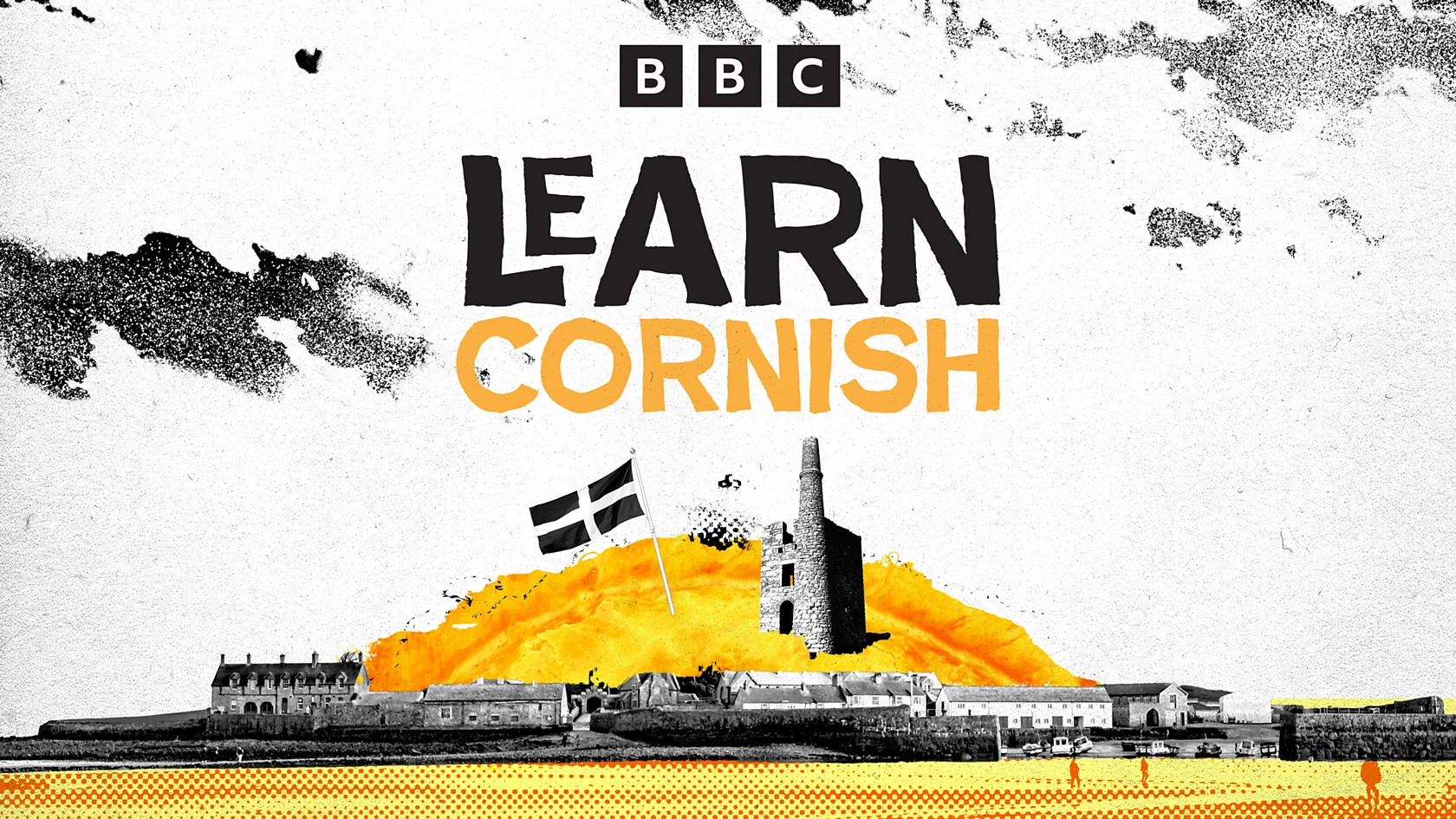
Have you heard the Learn Cornish podcast for BBC Sounds?
A allav vy kavos agas attendyans rag pymp mynysen may hylliv vy kewsel yn kever neppyth posek?
BBC Senior Head of Content Production for the West and South West Steph Marhsall shares the story of a regional podcast for BBC Sounds with RadioToday.
Why am I writing to you in another language – or Kernewek, to be precise – you may ask? Well because, recently, Kernewek, the Cornish language, was upgraded to “top level protection” by the Government – alongside Irish, Scottish Gaelic, and Welsh. But Kernewek is more than just a language to people in Cornwall – it’s a community, an identity, a way of belonging.
That is why BBC Radio Cornwall has created the fantastic Learn Cornish podcast for BBC Sounds. Hosted by Cornish presenter Danni Diston, each episode explores Kernewek language and culture – as well as its significance in British life. The BBC has a duty to support the minority languages of the UK and no other broadcaster can do this at our level. That’s why we’re overjoyed to bring this latest podcast to listeners – why not give it a go – it’s great fun.
This sits alongside BBC Radio Cornwall’s other Kernewek offerings – such as news bulletins in Cornish on Fridays and “The Cornish Weather Word” at weekends. Brand new content to help primary school children learn Cornish will also be included on BBC Bitesize soon. Bitesize is the most trusted media brand amongst children, parents, and teachers. By supporting authentic language learning on the site, we’re ensuring this traditional and culturally important content remains accessible for children.
But that’s not all – historic regional traditions, such as the flaming tar barrels in Ottery St Mary (Devon) or the Cheese-Rolling in Brockworth (Gloucestershire) were all livestreamed on BBC iPlayer last year and proved very popular. Unique events like this are steeped in local heritage – and only the BBC, and its local services in the community – can capture these centuries old celebrations.
This May Bank Holiday we’ll be back following those mad enough to chase a wheel of cheese down the incredibly steep Coopers Hill. We’re also back with those – young and old – as they carry flaming tar barrels through the packed streets of Ottery St Mary in a tradition that probably goes as far back as the Gunpowder Plot in 1605. And we’ll chase the sun as it rises for the summer solstice around the country – culminating in the traditional celebrations at Stonehenge in Wiltshire.
The West and South West are vibrant, creative places – full of distinct cultures, unique traditions, and a powerful sense of community. I was born here and I’ve worked and lived here most of my life. It’s my job is to lead the BBC’s local news and audio services here. I am fiercely passionate about how important it is for the BBC to showcase and celeberate our regions; to reflect the diverse views of people who live there and to make sure they get the chance to tell their stories! It’s why this mission is enshrined in the BBC’s very own Royal Charter.
BBC Local Radio stations in region also make some of the UK’s most exciting audio projects – like The LGBT Sport Podcast (BBC Radio Cornwall) and Sport’s Greatest Underdogs (BBC Radio Wiltshire and Gloucestershire). Award winning programmes like BBC iPlayer’s I Was There on the Salisbury Poisonings, The Sex Detectives from Bristol, and BBC Channel Islands’s coverage of the Blue Islands Airlines collapse – all show the power of trusted, local journalism from the area.
This year’s nominations for BBC Local’s Make A Difference Awards has hit a record-breaking 16,000 across the UK – as we celebrate the homegrown heroes, and untold acts of courage and kindness from across the region. I’m really looking forward to seeing all the amazing stories from across Somerset, Bristol, Gloucestershire, Wiltshire, Devon, and Cornwall. There won’t be a dry eye in the house.
As we approach the BBC’s Royal Charter renewal, it’s vital to ensure that audiences get the impartial, local content and companionship that matters to them – on whatever platform they choose. This is something that only the BBC, as a public service broadcaster, can do. By reflecting communities, supporting minority languages, being a part of local life – the BBC can continue to provide value for all and tell your story wherever you are.